


What this Article is About
This article looks at how modern capitalism can push people into desperation and highlights deep flaws in corporate systems. It points to a case where a man’s pain and frustration with a profit‑driven healthcare industry became a symbol of wider social strain and inequality. The writing says corporate structures too often put profit over people, leading to denial of basic care, huge costs, and human suffering. It connects these pressures to a broader culture where exploitation and inequality are common, and desperate reactions happen outside the normal rules. The text suggests this isn’t just one industry’s failure but a feature of a system that rewards wealth and ignores human need. Finally, it presents a contrasting model rooted in dignity, care, and human-centred values as an alternative.
A Moment of Desperation
On a crisp December morning, outside a Manhattan hotel hosting a healthcare industry conference, CEO Brian Thompson of UnitedHealthcare was shot in broad daylight. The accused: Mangione, a 26-year-old Ivy League graduate, whose photogenic charm and biting rhetoric have made him both a folk hero and a symbol of a fractured society. Within days of his arrest, thousands of people had donated to his legal defence fund, turning him into an unsettling emblem of rebellion against corporate greed.
Mangione had endured years of chronic back pain caused by spondylolisthesis, a condition worsened by a surfing accident in Hawaii. The injury left him bedridden and eventually required extensive spinal surgery, as evidenced by an X-ray he shared on social media, showing screws and rods embedded in his lower vertebrae.
Friends described how the pain significantly disrupted his life, leaving him physically debilitated and emotionally strained. Despite initial improvements after surgery, Mangione reportedly struggled with recurring numbness and growing frustration over the healthcare system. His dissatisfaction with corporate healthcare practices, particularly the profit-driven denials of care, was a frequent topic of conversation with those close to him. While these challenges in no way excuse violence, they reveal the depth of his frustrations and struggles in navigating a system he viewed as exploitative.
But this isn’t just about one man or one crime. It’s about a system – a machine – that grinds people into desperation and then is surprised when someone snaps.
Healthcare: The Ruthless Face of Capitalism
The healthcare industry exemplifies the ruthless efficiency of modern capitalism. It operates with a simple mandate: maximize profits, minimize payouts. For patients, this translates into denied coverage, insurmountable medical bills, and impossible choices. Need a life-saving drug? Better hope your insurance policy agrees. Struggling to pay your premium? Expect a collection notice before a hospital bed.
The numbers are staggering. Americans spend more on healthcare than any other country – an average of over $12,000 per person annually – yet millions remain uninsured.
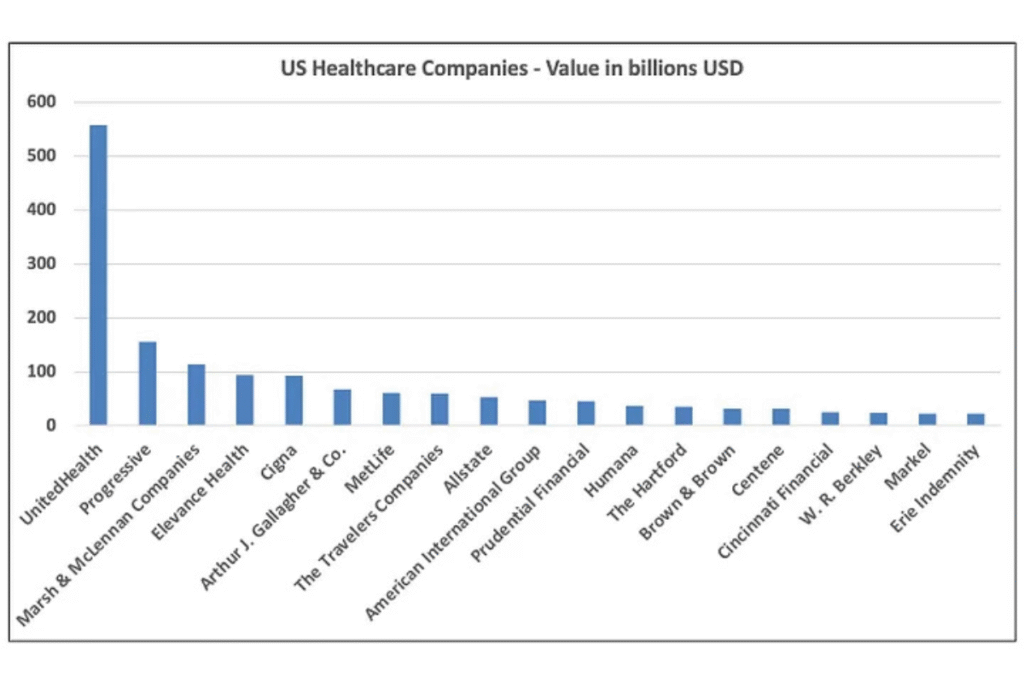
Medical debt is the leading cause of bankruptcy in the U.S., with over 75 million people struggling to pay off their bills. Meanwhile, UnitedHealthcare reported over $20 billion in profit last year, its executives pocketing multimillion-dollar bonuses for their efforts.
The Human Cost of Corporate Profits
Brian Thompson, by all accounts, was a loving father and a dedicated professional. But he was also the public face of an industry that thrives by rationing care to those who can afford it and denying it to those who can’t. His death is a tragedy, but for many, it also feels like the inevitable result of a system designed to prioritize profit over people.
Divided Reactions: Hero or Villain?
In the days following the shooting, the public reaction was as divided as it was fierce. On one side, corporate leaders and political figures condemned the act as senseless violence. Pennsylvania Governor Josh Shapiro called the widespread support for Mangione “deeply disturbing,” while UnitedHealth CEO Andrew Witty mourned Thompson as “one of the good guys.”
On the other side, a groundswell of anger found its outlet in Mangione. TikTok videos celebrated his courtroom outbursts. Crowdfunding platforms raised over $31,000 in a matter of days. Merchandise flooded online shops, featuring slogans like “CEO Hunter” and “Don’t Deny My Coverage.”
For some, Mangione became a misguided but potent symbol of resistance. He wasn’t just a man accused of murder – he was a stand-in for every denied claim, every unaffordable prescription, every life lost to a system built on greed.
This isn’t about justifying violence. It’s about understanding the desperation that fuels it.
Desperation as the Engine of Capitalism
Mangione’s story resonates because it reflects a reality so many share. Chronic back pain, denied claims, and mounting medical bills are not unique – they’re commonplace in a nation where healthcare is a privilege, not a right. The U.S. healthcare system, hailed as the best in the world, operates more like a dystopian lottery, where survival often depends on the thickness of your wallet. The frustration isn’t new, but it’s reaching a breaking point.
And it’s not just healthcare. Across industries, desperation is being weaponized for profit. Amazon workers, forced to urinate in bottles at their workstations to save time to meet quotas, and gig economy drivers, struggling to make ends meet without benefits, are all casualties of a system that rewards exploitation. Desperation isn’t a failure of capitalism – it’s the engine that drives it.