

What this Article is About
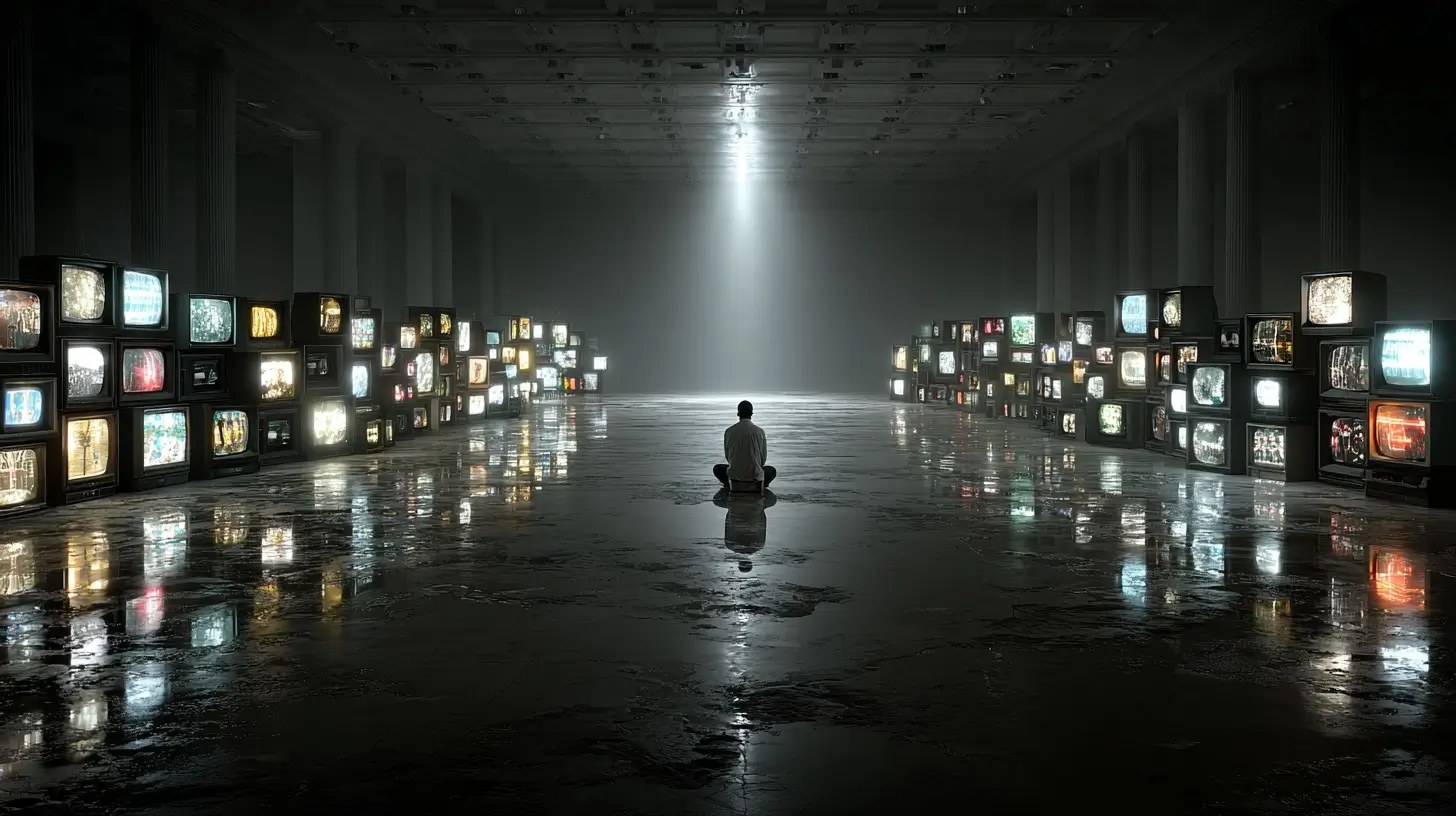
This is not an article about war. It’s about what happens after. About how the world forgets-not by accident, but by design. From Iraq to Gaza, from torture chambers to genocide, we see a disturbing choreography unfold: first the lie, then the violence, then the delayed apology, and finally the film, the op-ed, the cultural balm that soothes without repairing. This is the playbook of amnesia-a system that launders brutality through time, language, and story. In Gaza, that machinery is already at work, even as the bodies are still warm. What follows is not a history-it’s the anatomy of forgetting.
We are watching Gaza disappear in slow motion, not only through bombs and starvation, but through language, timing, and empathy fatigue. Even as the killing is relabeled a “ceasefire,” the machinery that will later help us process, contextualize, and eventually forget is already being assembled. That realization sat heavily with me as I finished watching Official Secrets.
It is a restrained, serious film. British, quiet in tone, but devastating in content. Keira Knightley plays Katharine Gun, the whistleblower who leaked a classified GCHQ memo in early 2003, exposing a joint UK-US plan to spy on UN diplomats in order to pressure them into supporting the Iraq War. The film lays bare what many already suspected: the war wasn’t an unfortunate error-it was engineered. The intelligence was manipulated, the public was lied to, and international law was sidestepped. Yet what disturbed me most wasn’t the content of the film, but its timing. It was released in 2019, sixteen years after the invasion of Iraq. The truth is told only once it’s no longer dangerous. That’s not resistance. That’s ritual. We’ve come to rely on cinema not to expose power, but to perform closure for it. This is the playbook of amnesia: first the lie, then the violence, then the apology, and finally the cultural product-tidy, moving, well-reviewed-that lets society feel like it has faced the past, when all it has done is bury it.
Iraq: From Mass Protest to Managed Forgetting
In February 2003, before the first bombs fell on Baghdad, the world stood still. People knew something was wrong. In what became the largest anti-war protest in history. Over 30 million people in more than 600 cities marched against the invasion of Iraq. London saw over one million demonstrators on a single day, Rome nearly three million, and cities like New York, Berlin, Sydney, Madrid, and Paris echoed with chants of “No war for oil.” These weren’t fringe gatherings-they were cross-generational, multi-faith, and transnational. A global plea for sanity. But they were ignored. The war began anyway.1 The justification? Weapons of Mass Destruction. Secretary of Defence Donald Rumsfeld insisted, “We know where they are.” Secretary of State Colin Powell went to the UN with satellite images, vials, and diagrams. The American public was told that Saddam Hussein had stockpiled biological and nuclear weapons. Major newspapers, especially The New York Times and The Washington Post, ran front-page stories quoting anonymous officials and supporting the administration’s narrative. Judith Miller’s infamous reporting helped seal the case.2
There were no WMDs. The invasion happened all the same. And the human cost was staggering. A peer-reviewed study in The Lancet in 2006 estimated over 650,000 excess deaths due to the war and its consequences by that time. 3 The Iraq Body Count Project continues to track the confirmed civilian deaths, now exceeding 200,000, with many other sources suggesting that the total is likely over one million when accounting for indirect deaths due to displacement, disease, destroyed infrastructure, and collapsed medical systems. 4 American soldiers paid a heavy price, too-over 4,400 were killed, and tens of thousands more returned with amputations, burns, PTSD, and brain trauma. The U.S. Department of Veterans Affairs still reports an average of 17 veteran suicides per day in the United States, many of them tied to post-9/11 deployments.5
And when it was finally acknowledged that the war had been based on a lie, there was no reckoning. Only soft regret. The New York Times, in 2004, issued a muted editors’ note admitting its coverage “was not as rigorous as it should have been.”6 The Washington Post similarly expressed disappointment in its editorial judgment, particularly in supporting the war so vocally.7 These apologies came after the damage had already become irreversible-after the civilian bodies had piled up, after the cities had been reduced to ash, after the sectarian strife had been unleashed. And then, to complete the cycle, came the films. Official Secrets, among others, reminds us that there were those who tried to prevent the war. And there were. But by the time these stories reach us, the war is already a memory. The deaths are statistics. The perpetrators are retired, writing memoirs. And the audience leaves the theatre comforted, as if the truth has finally emerged. But this is not exposure-it is burial. Narrative closure in place of justice.