

What this Article is About
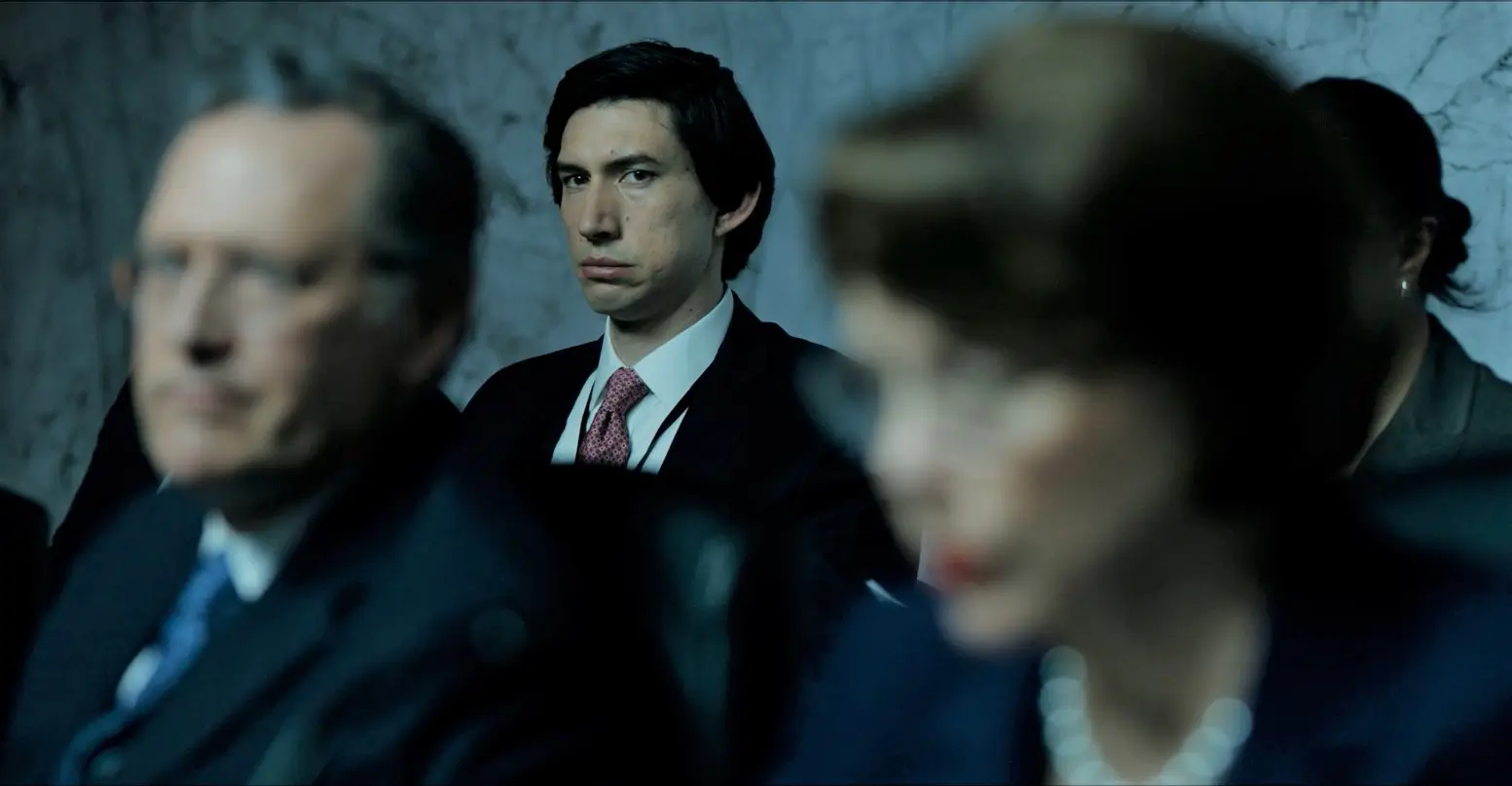
This article argues that mainstream Hollywood cinema operates as a system of managed dissent, offering audiences the appearance of political rebellion while ultimately preserving the legitimacy of state power. Rather than suppressing critique, Hollywood packages it, allowing exposure to institutional abuse, torture, and corruption so long as such narratives resolve without systemic accountability. Drawing on documented collaborations between the U.S. government and the film industry, particularly through the Department of Defense and intelligence agencies, the article examines how access to resources and realism is exchanged for narrative containment. Through examples including The Report, A Few Good Men, In the Valley of Elah, Zero Dark Thirty, and Captain Marvel, the analysis shows how wrongdoing is individualized, villains are personalized, and political consequences are deferred or erased. These films generate emotional catharsis while foreclosing structural critique, functioning as cultural pressure valves in moments of public distrust. The article concludes that Hollywood’s political cinema often replaces action with resolution, producing the illusion of resistance while reinforcing the endurance of existing power structures.
Hollywood sells the illusion of rebellion like it sells popcorn: loud, hot, and gone by the time the lights come back on. It wants you to believe it’s fearless-brave enough to call out the CIA, the military-industrial complex, the White House. But scratch past the edge, and what you get isn’t dangerous. It’s calculated. Hollywood doesn’t shut up dissent. It packages it. It gives you protagonists who scream, institutions that stumble, villains who get a slow-motion downfall. And then it fades to black before anything too uncomfortable happens. This isn’t a glitch in the system. It’s the system itself-managed dissent, the art of letting the audience believe they’ve witnessed a revolution, when all they’ve seen is the pressure release valve hissing just enough steam to keep the machine running.
The Government Is Already in the Room
What most people don’t know-and what deserves far more attention-is that the U.S. government is deeply embedded in the film industry. This isn’t about censorship boards or red lines in scripts. It’s about official partnerships and behind-the-scenes influence. The Department of Defense, the CIA, and the FBI all operate dedicated entertainment liaison offices. These agencies don’t just advise. They approve. If you want to film on a Navy destroyer, you need to submit your script to the Pentagon. If you want access to real tanks, fighter jets, or special ops advisors, you get notes. And if your story doesn’t make them look “realistic” or “positive” enough, according to DoD Instruction 5410.16, you don’t get the gear.
This isn’t theory-it’s documented. Scholars like Tricia Jenkins, in The CIA in Hollywood: How the Agency Shapes Film and Television (University of Texas Press, 2012), detail how the CIA’s influence has quietly sculpted American entertainment. It’s not about overt propaganda. It’s about steering narratives before they become problems. By managing the gatekeeping function at the logistical level-access to personnel, equipment, locations-these agencies shape tone, messaging, and narrative structure without ever having to censor a line directly. The result is a cultural output where rebellion is tolerated, but revolution is not.
Hollywood’s Hidden Function: The Pressure Valve
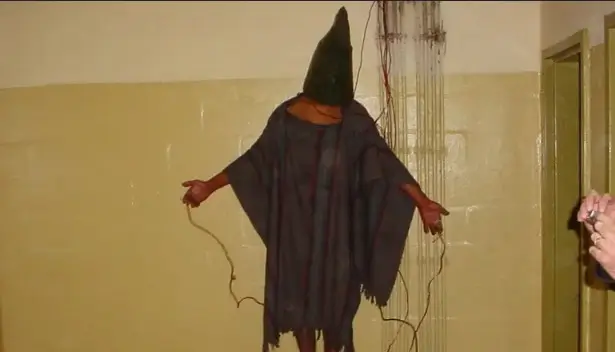
In this tightly managed ecosystem, Hollywood serves a critical function: it gives people emotional release when the system fails. Think of it as a cultural pressure valve. When photos from Abu Ghraib shocked the nation, when stories of CIA black sites surfaced, when surveillance leaks dropped-what followed wasn’t reform. It was a movie. Not a reckoning. Not a commission. A film. A perfectly timed dramatization of public betrayal that reminds you someone, somewhere, is still trying to do the right thing.
The Report: Exposure Without Consequences
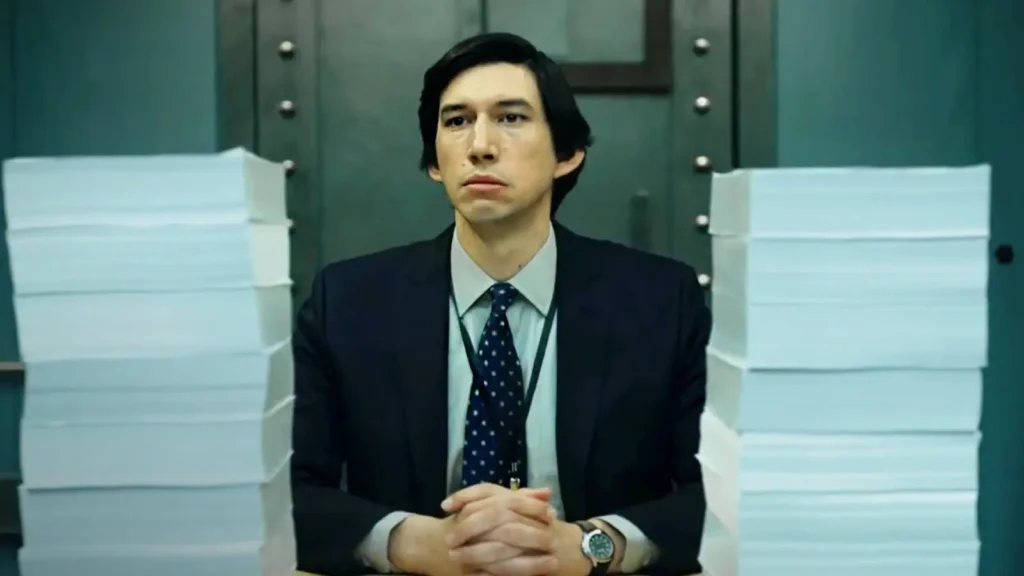
In The Report (2019), Adam Driver plays Daniel J. Jones, the Senate staffer who spent years compiling a damning investigation into the CIA’s post-9/11 torture program. He uncovers a grisly catalogue of abuses-waterboarding, mock burials, rectal rehydration, psychological torture-all euphemized as “enhanced interrogation techniques.” The film is tense, meticulous, righteous. It exposes systemic horror and moral decay. But by the end, there are no prosecutions. No justice. No accountability. Just a 7,000-page report and the echo of applause in the Senate chamber.
The audience is meant to feel vindicated. But the people who authorized and carried out these atrocities remain untouched. The catharsis is real. The consequences are not. That’s managed dissent in action. The system allows for exposure, as long as it ends with quiet resignation instead of calls for structural dismantling. It’s a pattern that political theorists like Edward Herman and Noam Chomsky warned about in Manufacturing Consent; the media can critique, but only within safe ideological limits.

A Few Good Men: One Man Falls, the System Stands
A Few Good Men (1992) is another classic example. Tom Cruise plays a slick military lawyer defending two Marines accused of killing a fellow soldier at Guantanamo Bay. What begins as a legal procedural escalates into an indictment of the chain of command. Jack Nicholson’s Colonel Jessup delivers his iconic monologue-“You can’t handle the truth!”-before admitting he ordered the deadly hazing. It’s electric. The villain is powerful, confident, and unrepentant.