

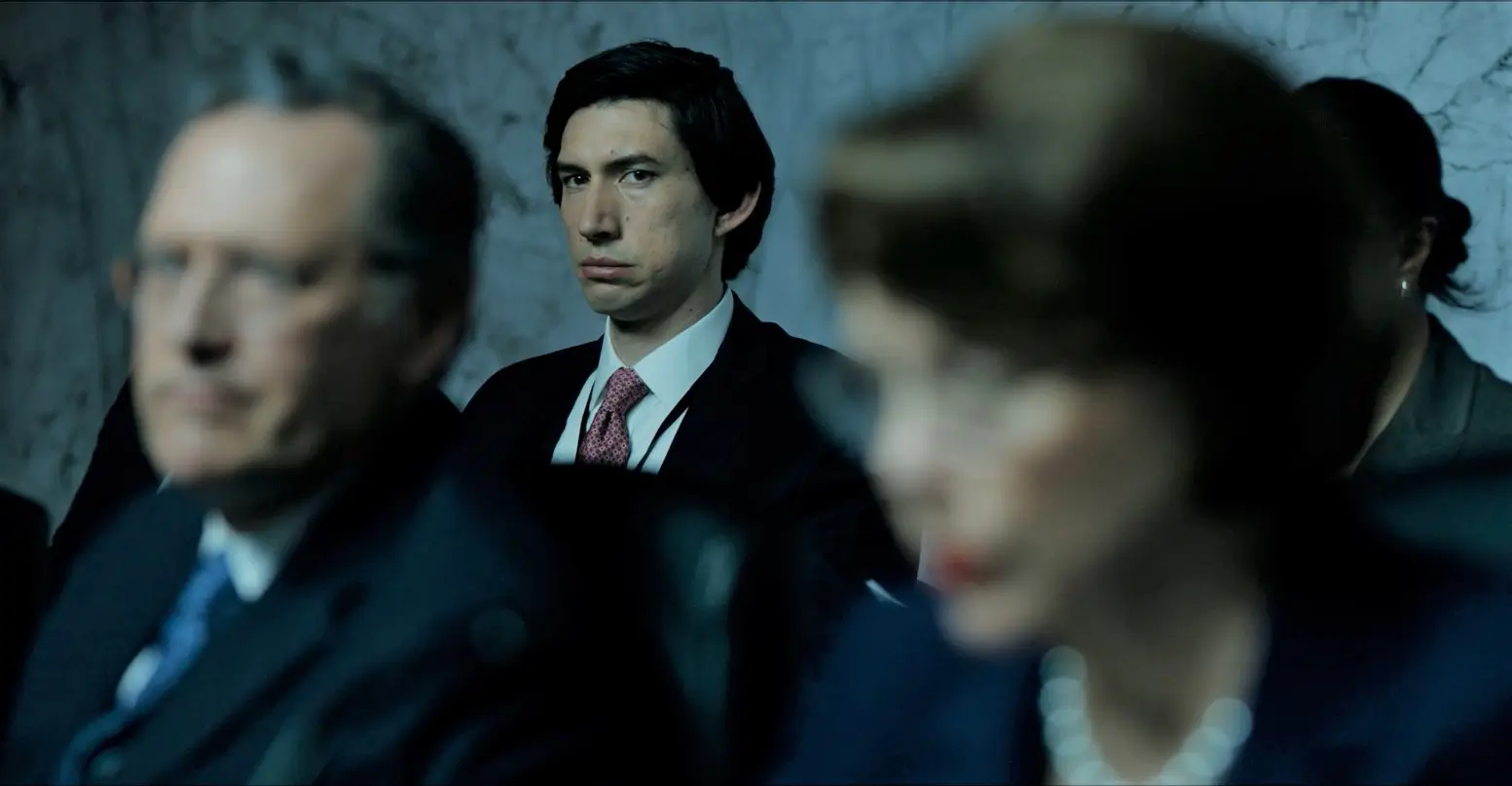
But he’s also just one man. The court convicts him. The system, we’re told, works. There’s no scrutiny of the institution that bred the behaviour, no exploration of how culture, hierarchy, and unspoken orders create environments where brutality becomes policy. The film ends not with systemic reform, but with personal closure. As Noam Chomsky argues, dissent is permitted-but only within boundaries that preserve the overarching legitimacy of the power structure.
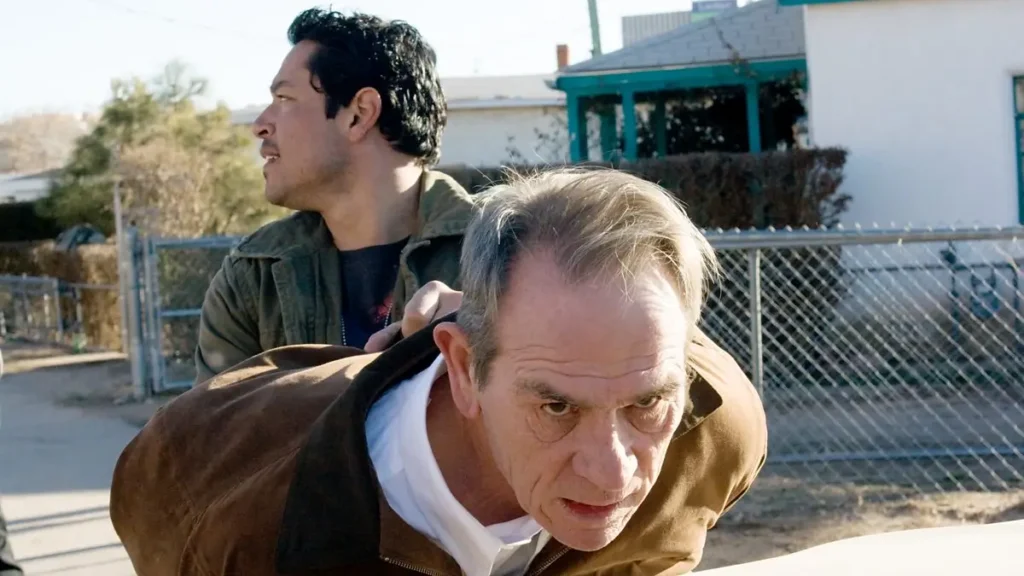
In the Valley of Elah: Tragedy Without Indictment
The same structure haunts In the Valley of Elah (2007), a slow-burning, emotionally devastating film based on true events. Tommy Lee Jones plays Hank Deerfield, a veteran and father whose son returns from Iraq-only to be murdered by his own unit shortly after. As he investigates, Hank uncovers a shattered generation of soldiers traumatized by war, numbed by violence, and broken by an institution that chews them up and spits them out. The story is intimate and deeply human.
But the political indictment is quiet. The viewer is encouraged to mourn the psychological toll of war, not question the war itself. The implication is personal tragedy, not imperial rot. As Douglas Kellner writes in Cinema Wars, Hollywood often dramatizes suffering while leaving the political engines of empire untouched. The focus is pain, not policy. Elah bleeds, but it never bites.
Real Anger, Safe Limits
This is the formula: rage, resolution, repeat. Hollywood doesn’t shy away from controversy. It embraces it-up to a point. That point ends right before a challenge to institutional power becomes systemic. The message is consistent: problems are individual. They can be rooted out. The house doesn’t need to be torn down-just cleaned up.
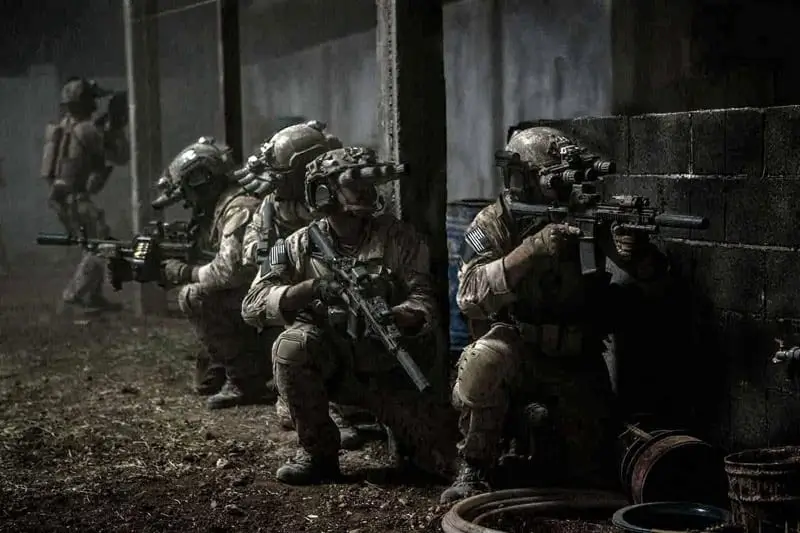
Zero Dark Thirty: The Crime, Sanitized
Zero Dark Thirty (2012) is a masterclass in this containment. Directed by Kathryn Bigelow, the film follows Maya, a CIA analyst consumed by her mission to find Osama bin Laden. The film opens in darkness-with the sounds of 9/11-and plunges straight into black site torture chambers. Prisoners are waterboarded, stripped, humiliated. The film doesn’t glorify these actions. But it suggests they worked. That the intelligence extracted led to bin Laden. The message is clear: ugly, regrettable, but necessary.
So compelling was this framing that Senator Dianne Feinstein accused the film of misleading the public. Later investigations revealed direct CIA collaboration with the filmmakers-script access, edits, guidance on portrayal. The Senate Intelligence Committee released documents showing that the CIA had influenced key story elements. It was “based on a true story,” but refined and endorsed by the very agency it sought to critique. It’s not propaganda-it’s something subtler: legitimacy laundering.
Captain Marvel and Military Soft Power
Even big-budget superhero films are shaped by this alliance. Captain Marvel (2019) was produced with full cooperation from the U.S. Air Force. Brie Larson trained with real pilots. Real jets filled the screen. The film sold empowerment-strength, independence, cosmic justice. But beneath the surface, it doubled as recruitment messaging. It was feminism with a military uniform and PR clearance.
As Matthew Alford and Tom Secker document in National Security Cinema (2017), hundreds of films and TV shows have been shaped by Pentagon or CIA input. Over 800 titles. This is not fringe-it is the norm. When the military offers its toys, it wants something back. And what it wants is image control. The management isn’t just of stories. It’s of meaning.
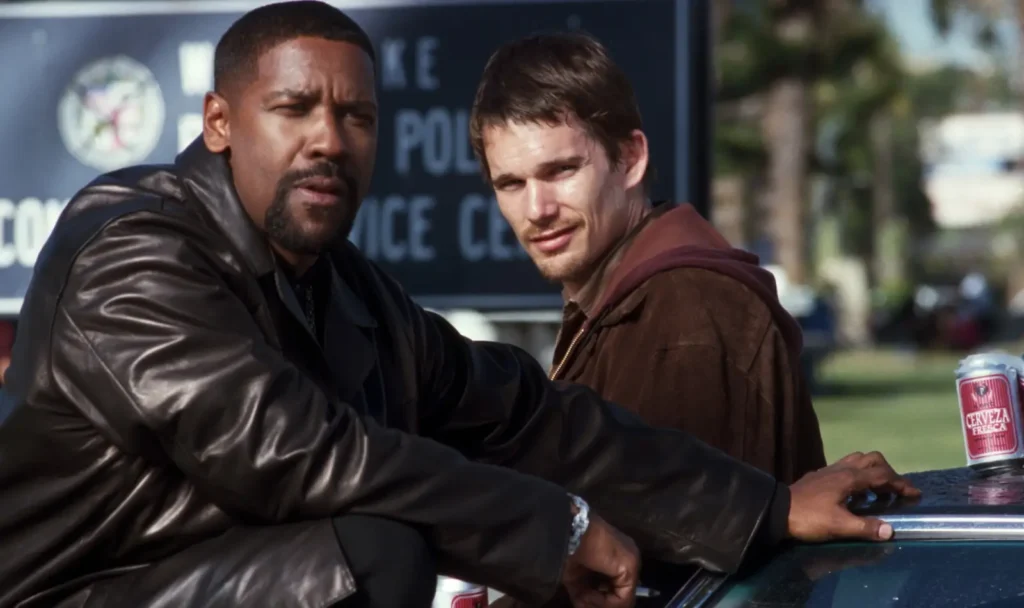
Villains Are Personal, Power Is Abstract
Across these films, the villain is always personal. A bad colonel. A rogue agent. A broken soldier. Rarely is the problem systemic. Rarely is the institution shown as functioning exactly as designed. So you get Training Day, but not The Department. You get The Trial of the Chicago 7, but not The History of Repression. You get American Sniper, where Chris Kyle is troubled by war, but never Why We Invaded Iraq in the First Place.
Realism becomes the delivery system for ideological comfort. As James Der Derian explains in Virtuous War, the military-industrial-media-entertainment complex doesn’t need to lie. It just needs to shape how truth is felt. The pain is real. But the framing still serves the state.
“Free Speech” and the Illusion of Reach
Yes, America protects speech. In 1952, Burstyn v. Wilson enshrined movies as First Amendment-protected expression. But that’s not where control happens. Control today is upstream-at the level of access, funding, and distribution. Want your story told at scale? You’ll need studio money, real assets, maybe some “support” from the military or federal agencies.
Films that critique power rarely get that. They get relegated to indie labels and niche distribution. Tanner Mirrlees’s Hearts and Mines puts it plainly: cultural power flows from economic power. You don’t have to ban a movie to bury it.
The Economic Incentive of “Safe” Rebellion
Hollywood doesn’t want collapse. Studios want rebellion that resolves neatly, emotionally. That flatters the audience and preserves the myth that America, for all its failings, still self-corrects. They give you whistleblowers who are vindicated, not punished. Courtroom drama, not civil resistance. Redemption arcs, not revolutionary movements.