

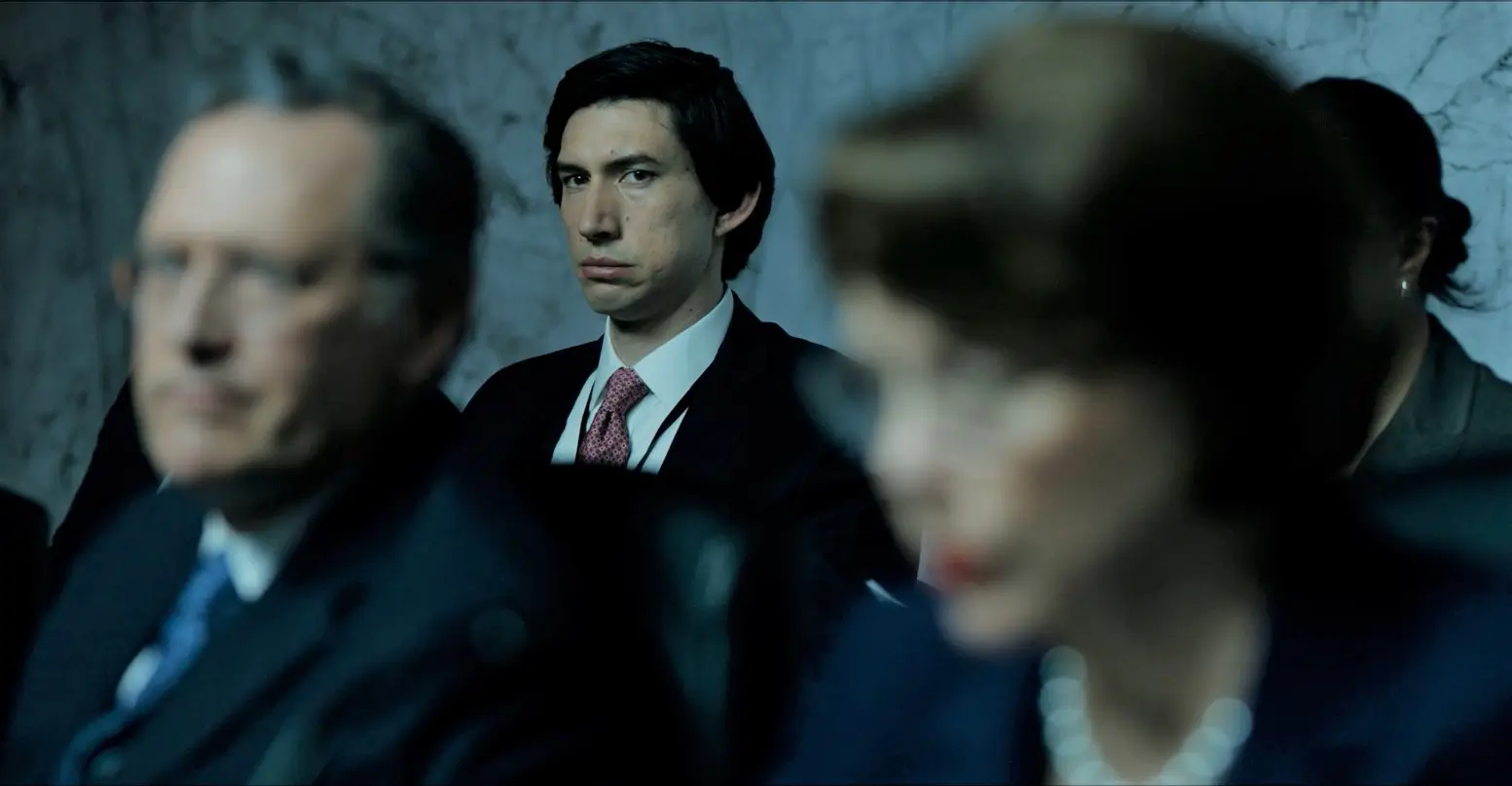
That’s why The Post ends with triumph. Why The Report ends with a caption. Why Snowden ends with a man in exile, but not a single reform.
The Strategy Is Old-The Tactics Are New
This isn’t new. In World War II, the U.S. government openly partnered with Hollywood via the Office of War Information. Scripts were edited. Patriotism promoted. Koppes and Black’s Hollywood Goes to War documents it all. What’s changed is the sophistication. Now the influence is quieter. Conditional. Embedded.
When Fiction Replaces Action
The most dangerous thing about managed dissent is that it feels like resolution. You watch The Post-and forget that Assange is still in solitary. You watch The Report-and forget no one was jailed. You watch Snowden-and forget the NSA’s still running.
This is how fiction smothers reality. Not by lying-but by replacing the ending.

Watch Smarter
None of this means stop watching. But watch smarter. Ask: Who’s funding this? Who got access? Who didn’t? What stories aren’t being told?
Because managed dissent gives you just enough outrage to keep you watching.
And just enough comfort to stop you from doing anything about it.
Final Credits
Hollywood is allowed to scream at power because the system knows it can take the hit-and come out looking stronger. Every movie about corruption, coverups, or abuse that ends in a slow fade to black is proof.
This isn’t the cinema of revolution.
It’s the illusion of revolt.
And it’s playing in a theater near you.