

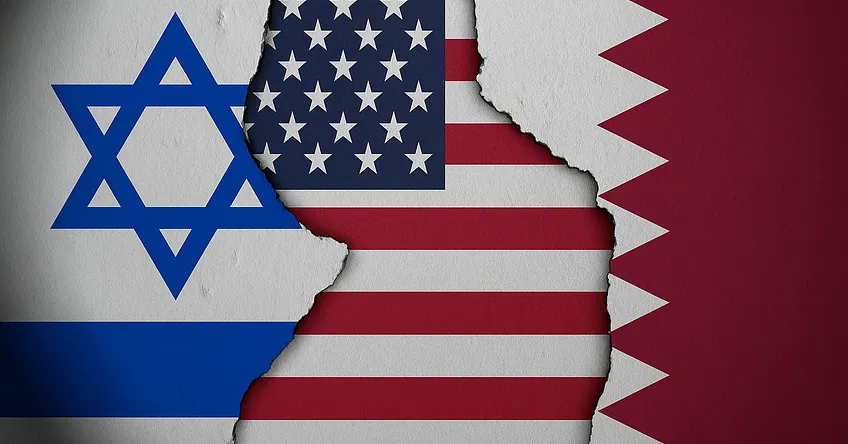
Because the neocon agenda treats Israel as the operational axis-anchor for intelligence and covert operations, the state through which U.S. influence is projected, Trump faces structural limitations. Dislodging the axis would require reversing or conditioning foreign aid, altering alliance obligations, antagonizing powerful domestic interest groups (pro-Israel lobbies, media wings, evangelical networks), and confronting entrenched bureaucratic resistance in institutions such as State, Defence, and intelligence.
In sum, despite Trump’s anti-neocon campaign appeal and anti-war base, he cannot fully end or meaningfully restrain the Gaza war under the current structure. The deep state endures. Public opinion, moral pressure, and political friction are increasing, but the institutional, ideological, and strategic architecture aligned around Israel as an axis remains firmly in place, keeping policy change gradual, limited, and often symbolic.
The Gaza Genocide & Legitimacy Crisis
The war in Gaza (2023-2025) has become a defining test for neocon moral claims. Civilian deaths, displacement, infrastructure destruction, delayed or obstructed humanitarian aid-all highly visible-have undercut earlier narratives of righteous intervention and moral clarity. Polls show rapidly waning support, especially among younger Americans, independents, and formerly reliable Democratic constituencies.
Political consequences are emerging: increased Congressional hearings, public debate over conditional aid, greater international criticism. Even among traditional supporters, there is discomfort. But so far, no major policy shift has cracked the core of U.S. backing for Israel’s strategy and operations.
Israel as the Pivot of an Ideological Empire
Neoconservatism’s true success lies in the structures it built: think tanks, revolving personnel, legal and budgetary obligations, and powerful lobbying networks that made alignment with Israel the default of U.S. foreign policy. Israel is not the controller of U.S. strategy, but its axis is central to how threats are defined, alliances maintained, and instability managed.
Arab states remain chained to the petrodollar system, their economic survival tied to Western banking and sanctions. This dependency ensures that any defiance toward Israel risks frozen assets, exclusion from markets, and capital flight. The Doha Emergency Summit after the Israeli strike on Qatari soil showed the limits of this order: fiery condemnations but no sanctions, no economic coordination, no binding deterrent – a summit of inaction.
Israel’s role is not just military but strategic: the linchpin of U.S. designs to block Arab and Muslim unity and independence. Reports like the 2025 Vandenberg Coalition paper openly describe Israel as the “cornerstone ally” and urge punitive measures against any state that resists. Bound by financial and military dependency, Arab governments issue rhetoric but recoil from real costs.
Conclusion
Real change demands what past superpowers of Islam once achieved: breaking foreign chokeholds through unity and strategy. Just as the Ottomans bypassed Venetian trade routes to secure independence, Muslims today must remove false borders and escape the petrodollar system which has only served the Western financial and military empire and entrenched Israel as the commanding seat of the Greater Zionist Kingdom.