

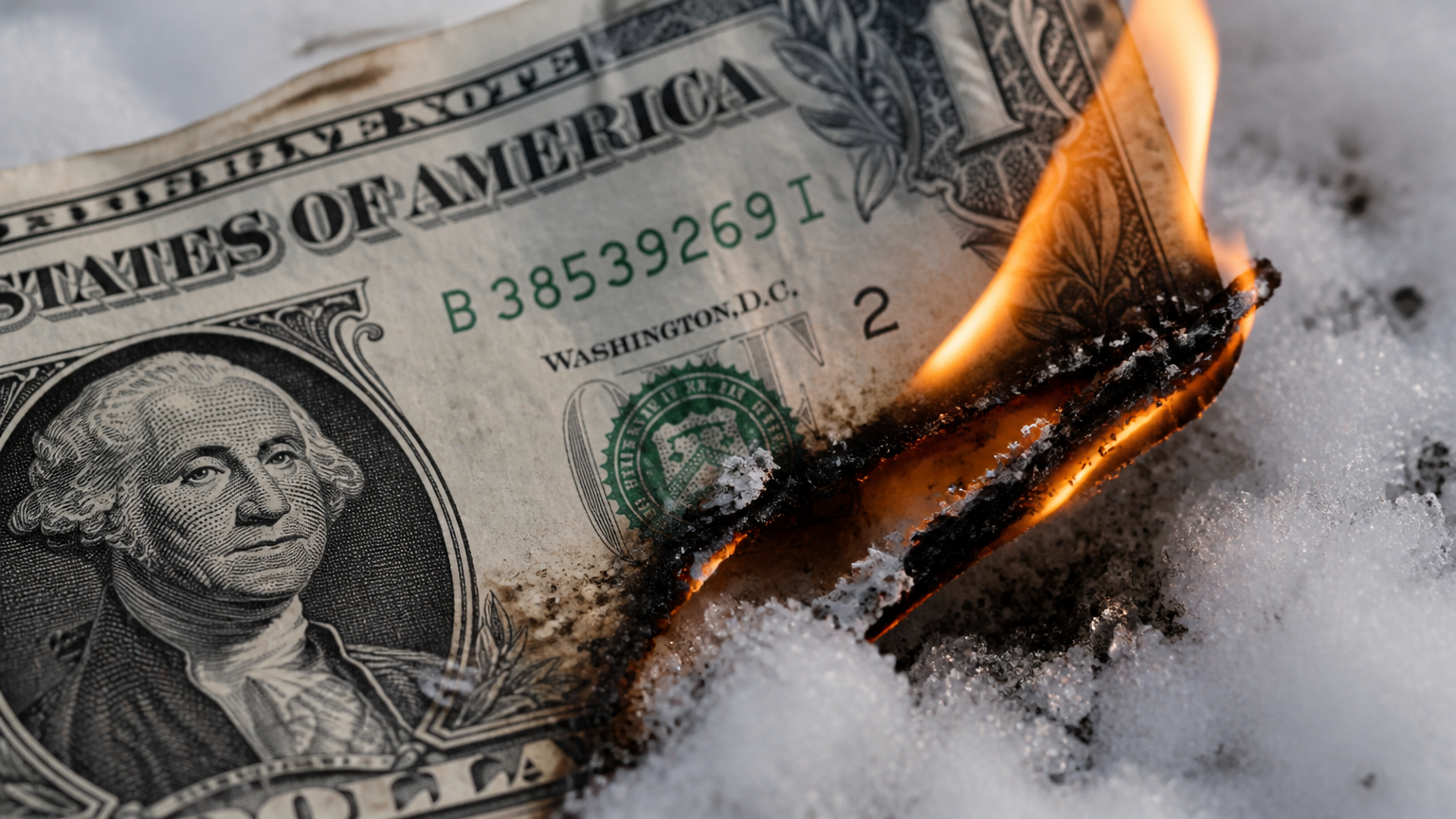
That assumption held for more than two centuries.
Now, for the first time, it is beginning to break.
3. The First Time in 250 Years the West Risks Losing Control of a Critical Waterway
The present Gulf crisis represents something far greater than another Middle Eastern conflict or another cycle of regional escalation. For the first time since Britain emerged as the dominant naval power in 1763, the West faces the genuine possibility of losing uncontested control over one of the central arteries of the global economy. The modern financial order was built upon the assumption that Anglo-American naval supremacy would permanently guarantee open maritime circulation across the world’s strategic chokepoints. Now, for the first time in more than 250 years, that permanence no longer appears guaranteed.
Iran does not need to destroy the American Navy to shake the foundations of the global system. It only needs to demonstrate that even the world’s most powerful military machine cannot fully guarantee uninterrupted circulation through a narrow waterway sitting beside hostile shores armed with missiles, drones, mines, and asymmetric naval capabilities.
This is not conventional warfare. It is systemic warfare aimed directly at the hidden foundations of globalization itself.
The objective is not necessarily to permanently close the Strait of Hormuz, but to inject uncertainty, fear, unpredictability, and escalating financial risk into the bloodstream of the world economy. Modern markets operate as much upon confidence as upon physical supply. Insurance premiums rise before shortages appear, shipping costs surge before fuel disappears, and markets panic long before supermarket shelves empty.
Empires survive not merely because they possess military power, but because they convince the world that their dominance is permanent, inevitable, and structurally unchallengeable.
That perception is now beginning to fracture.
4. The Illusion of Stability, but the Crisis IS coming
Yet despite the escalation, the full consequences have not yet arrived. Much of the oil currently sustaining global markets was shipped before the February escalation of the conflict, while existing inventories and delayed shipping cycles are temporarily masking the scale of disruption building beneath the surface of the world economy. This creates the illusion that the system remains stable.
But modern globalization is built on uninterrupted flow, not resilience.
The world economy now operates through fragile “just-in-time” logistics systems in which continuous replenishment matters more than reserves. Manufacturing chains stretch across continents while food systems and consumer markets depend on synchronized shipping networks functioning with near-perfect precision.
The danger of disruption is therefore not theoretical. During the COVID-19 pandemic, temporary shipping delays triggered shortages across Europe and North America months later. Car factories halted because semiconductor chips failed to arrive, shipping costs exploded, and ports became congested for weeks. Entire industries slowed not because factories were destroyed, but because circulation itself had been interrupted.
The Strait of Hormuz sits at the center of something far larger.
A serious disruption there would rapidly spread into fuel prices, fertilizers, electricity costs, aviation, industrial production, food imports, and consumer goods. The interconnectedness that once made globalization extraordinarily efficient now makes it extraordinarily fragile. And once that fragility begins to reveal itself, the world enters a far more dangerous phase.
5. Financial Winter: Prolonged blockage of Hormuz will cause Energy, Food, and Economic Breakdown
Once sustained shortages begin emerging, the effects move far beyond energy markets and penetrate every layer of modern civilization. Modern economies are fundamentally hydrocarbon-dependent. Agriculture relies on diesel machinery, oil-intensive fertilizers, refrigeration systems, and global shipping networks, while cities depend on uninterrupted energy flows for transport, electricity, logistics, medicine, and the basic functioning of urban life itself.
This means rising energy prices spread through the entire structure of the global economy like fire through dry timber. Electricity becomes more expensive, aviation costs surge, industrial production slows, food prices rise, and consumer goods become costlier while supply chains tighten simultaneously across multiple sectors.
Governments, corporations, banks, and households throughout the West already operate under historically unprecedented debt burdens accumulated during decades of cheap energy and cheap credit. Prolonged energy inflation therefore places simultaneous pressure on banking systems, housing markets, employment, public finances, and consumer demand all at once. The likely outcome is stagflation: persistent inflation combined with economic stagnation.
But the phrase “financial winter” captures something deeper than recession alone.